

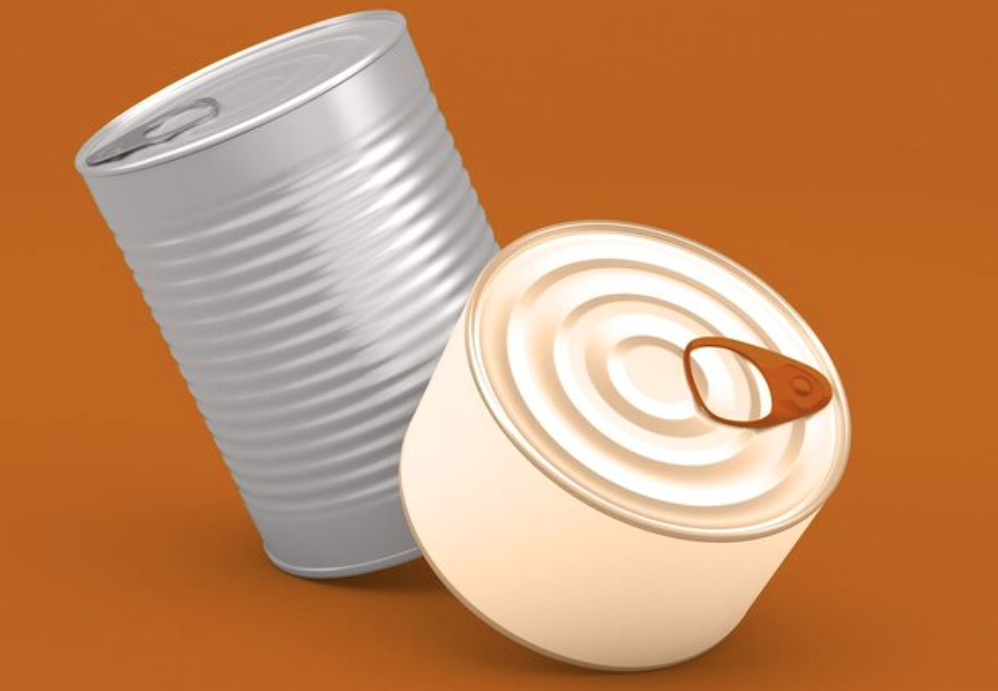
In the modern manufacturing landscape, the integrity of packaging is paramount to ensuring product safety and shelf stability. For industries ranging from craft brewing to food processing, the final seal on a container is the most critical point in the production chain.
Selecting the right can seamer is a strategic decision that affects not only your current output but also your long-term operational costs and brand reputation. To make an informed choice, businesses must evaluate several technical and operational variables.
1. Production Speed and Volume Requirements
The first consideration is the required throughput of your facility. Seaming machines are generally categorized into manual, semi-automatic, and fully automatic models.
If you are operating a small-scale laboratory or a boutique cannery, a manual or semi-automatic can seamer might provide the necessary flexibility at a lower entry cost.
However, high-volume industrial operations require fully automated, multi-head rotary systems capable of sealing hundreds of cans per minute to maintain efficiency and meet market demand.
2. Material Compatibility and Can Specifications
Not all seaming equipment is universal. Different materials, such as aluminum, tinplate, or composite plastic, require specific pressure settings and roller profiles to achieve a hermetic seal.
You must ensure that the can seamer you choose is compatible with the diameters and heights of the containers you intend to use.
Some machines offer quick-change parts that allow for transitions between different sizes, which is essential for businesses that maintain a diverse product portfolio.
3. Precision and Seam Quality Standards
The primary function of the equipment is to create a double seam that prevents leaks and contamination. Precision is non-negotiable, as even a microscopic defect can lead to spoilage or pressurized cans exploding.
High-quality machines feature robust rollers and chucks designed to minimize skidding or false seams. It is vital to invest in a can seamer that allows for fine adjustments and consistent performance over thousands of cycles without frequent recalibration.
4. Ease of Maintenance and Sanitation
In food and beverage industries, hygiene is a top priority. The ideal machine should be constructed from stainless steel or other corrosion-resistant materials that can withstand rigorous wash-down procedures.
Furthermore, consider the availability of replacement parts and the complexity of routine maintenance. A machine that is easy to strip down and clean will reduce downtime and ensure that your facility remains compliant with international safety standards.
5. Automation and Integration Capabilities
A modern can seamer rarely operates in isolation. It must be integrated into a larger ecosystem that includes fillers, labelers, and conveyors. Consider whether the equipment features programmable logic controllers that can sync with your existing line.
Advanced models offer digital monitoring systems that track seam counts and alert operators to potential mechanical issues before they lead to significant production losses or equipment failure.
6. Long-Term Support and Manufacturer Reputation
Finally, the relationship with the equipment manufacturer is as important as the hardware itself. Technical support, training for your operators, and a reliable supply chain for consumables are essential for minimizing operational risks.
Choosing a reputable supplier ensures that you have access to expert guidance during the installation phase and dependable service throughout the lifespan of the machinery.