

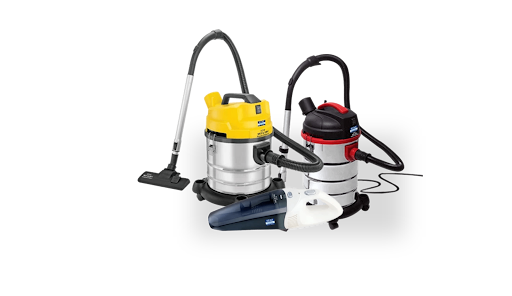
Eco-friendly cleaning means keeping homes clean while using fewer resources. Water is one of the most important resources, yet daily cleaning often wastes a lot of it. Repeated mopping, rinsing, and washing use much more water than most people realize. A smart way to reduce this waste is by using better cleaning methods. A wet and dry vacuum cleaner helps do this by reducing the need for water in daily cleaning.
Understanding Water Waste in Everyday Cleaning
Conventional cleaning methods rely heavily on water. Floors are mopped repeatedly, clothes are rinsed multiple times, and buckets are refilled often. With daily cleaning routines, this adds up to significant water consumption. Eco-friendly cleaning promotes smarter practices that reduce water use while maintaining a clean and hygienic home.
How Technology Helps Reduce Water Use?
Technology makes cleaning easier and less dependent on water. A vacuum cleaner removes dust, dirt, and small debris from floors and surfaces. This means people do not always need to wash or mop to keep floors clean. Modern cleaning tools also handle various types of mess, reducing the need for repeated rinsing and soaking. This helps families save water while still keeping their homes neat and safe.
How a Wet and Dry Vacuum Cleaner Saves Water?
A Wet and Dry Vacuum Cleaner helps reduce water use because it can handle multiple cleaning tasks simultaneously.
- It cleans both dry dirt and liquid spills in one go.
- It reduces the need for separate wet and dry cleaning.
- It helps keep floors clean without the need for constant mopping or washing.
With fewer separate cleaning steps, homes naturally use less water while staying clean and comfortable.
Reducing the Need for Repeated Washing
Repeated washing is one of the biggest reasons water gets wasted. Better cleaning support helps reduce this problem.
- One cleaning round is often enough, instead of cleaning the same area twice.
- Homes do not need to refill cleaning buckets repeatedly.
- Daily cleaning becomes easier, so people do not rely on extra washing for confidence.
This helps build responsible cleaning habits that protect water over time.
Preventing Build-Up That Causes Extra Cleaning
When spills or dirt stay on the floor for too long, they become hard to remove. This usually needs more scrubbing and more water. Quick and efficient cleaning helps avoid that.
- Cleaning spills right away prevent sticky or stubborn stains.
- Less scrubbing is needed, so less water is used.
- Floors stay cleaner for longer, so heavy washing becomes less frequent.
By stopping stains from forming you can save time and water while staying hygienic.
Must Read: Is a Water Softener Worth the Price? Key Benefits for Your Home
Cleaner Homes Without Heavy Water Dependence
Eco-friendly cleaning does not mean lowering cleanliness. It simply means cleaning smarter. When homes use tools that can handle both wet and dry mess, they do not need to rely on water all the time to feel clean. This helps maintain a healthy living space while also supporting careful water use.
Environmental Benefits of Saving Water at Home
Saving water at home helps the environment in a meaningful way. Lower water use helps protect natural resources and reduces stress on water systems. It also builds better habits in families. When many homes adopt responsible cleaning methods, the positive environmental impact becomes strong and lasting.
Conclusion
Eco-friendly cleaning focuses on keeping homes healthy while reducing waste. Traditional cleaning often relies too much on water, leading to unnecessary use over time. Smarter cleaning methods and better tools, like a Vacuum Cleaner, help reduce water dependence while still handling both dry dirt and liquid mess effectively. Choosing water-saving cleaning habits helps families maintain hygiene and support a more sustainable future.